
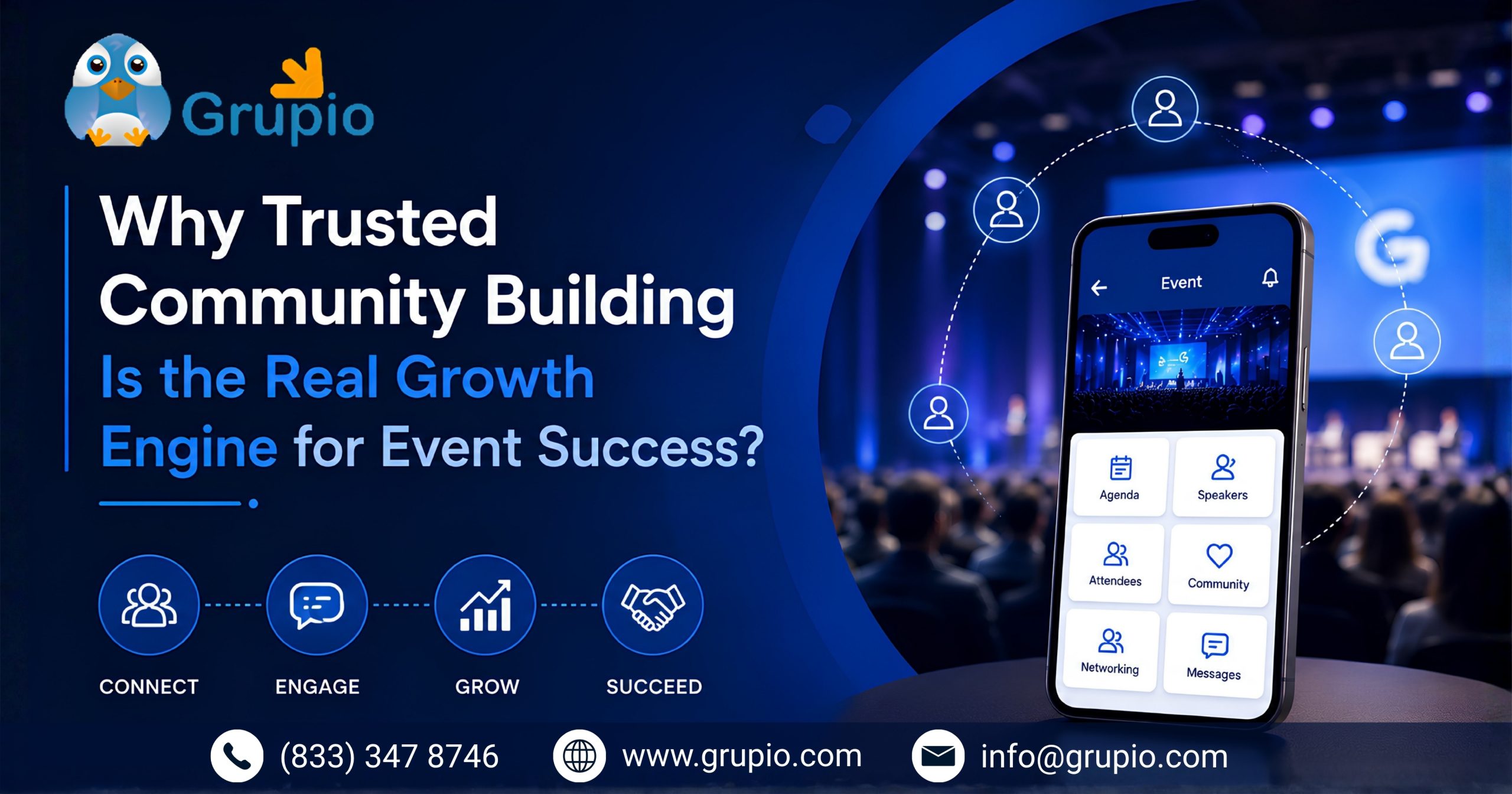
Community Building for Events is the real growth engine behind successful events. I’ve spent years planning and promoting events, and if there’s one lesson I keep relearning, it’s this: a packed room means nothing if nobody comes back.
Early on, I chased traffic — more ad spend, more
influencer shoutouts, more last-minute ticket pushes. It worked, sort of. Then the numbers stopped
adding up. Every event started from zero, with no momentum and no familiar faces. That’s when I
shifted my entire event marketing strategy toward community building, and the difference showed up
almost immediately in lower costs and higher show-up rates. Here’s why trust, not traffic, is the
real growth engine behind lasting event success.
From Attendees to Advocates: Turning Community Members into Your Best Marketers
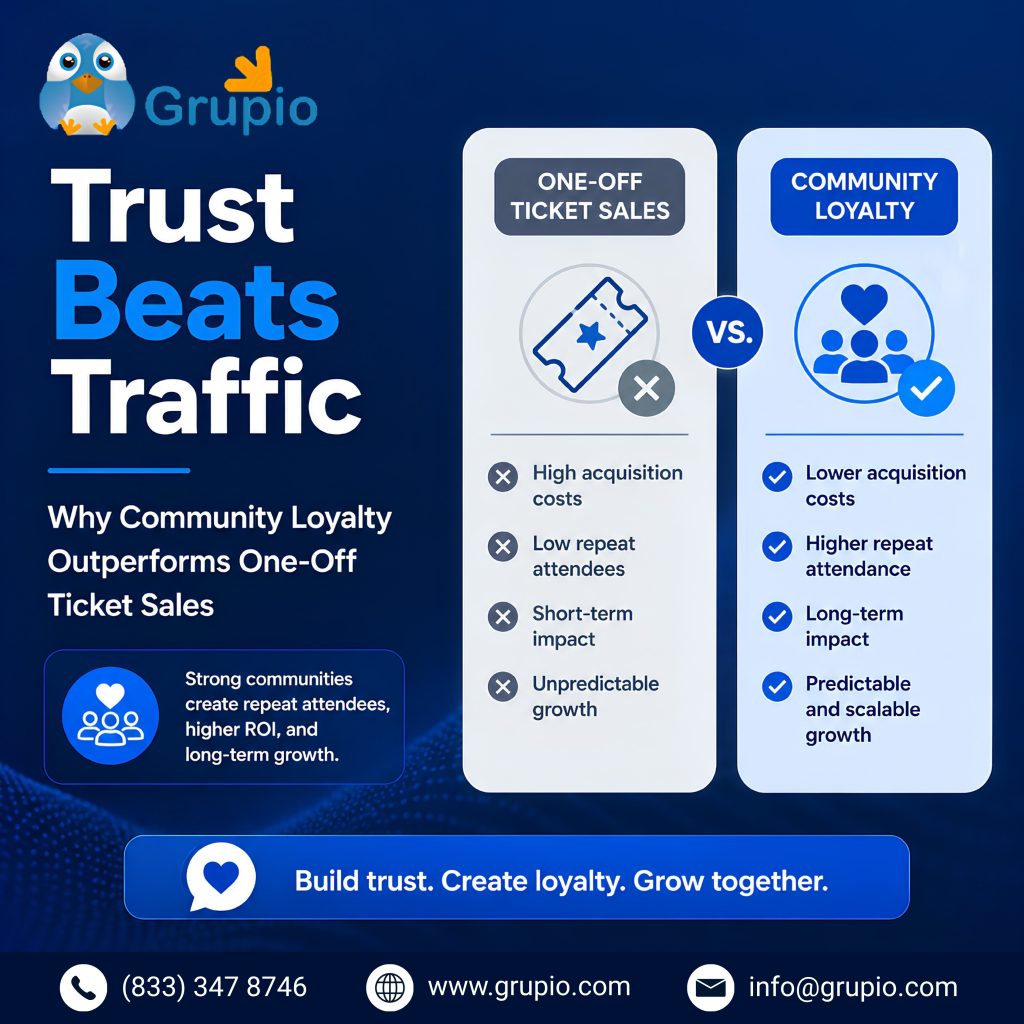
In Community Building for Events, this shift from attendee to advocate is the most important transformation.
The moment I stopped treating attendees like a one-time audience, everything changed. People who
feel like part of something — not just a name on a registration list — naturally start talking
about it. I’ve seen this play out at niche meetups I’ve organized: a handful of regulars became
the loudest promoters, sharing photos, tagging friends, and defending the event in comment sections
without me ever asking.
This is the heart of real community building. When someone attends once and has a genuine,
well-run experience, they’re a customer. When they come back a few times and start feeling heard,
they become an advocate. Advocates do something paid ads can’t: they lend their own credibility
to your event marketing plan.
In my experience, three things turn attendees into advocates:
- Recognition — remembering names, past questions, or contributions
- Access — early registration, direct lines to organizers, behind-the-scenes updates
- Contribution — letting community members shape sessions, vote on topics, or co-host
None of these cost much money. They cost consistency. I’ve found that even a small, loyal group
of 50 to 100 engaged members can outperform a much larger cold audience, because referrals from
people you already trust convert at a far higher rate than a random ad impression ever will.
The Compounding Effect: How Repeat Engagement Lowers Acquisition Costs Over Time
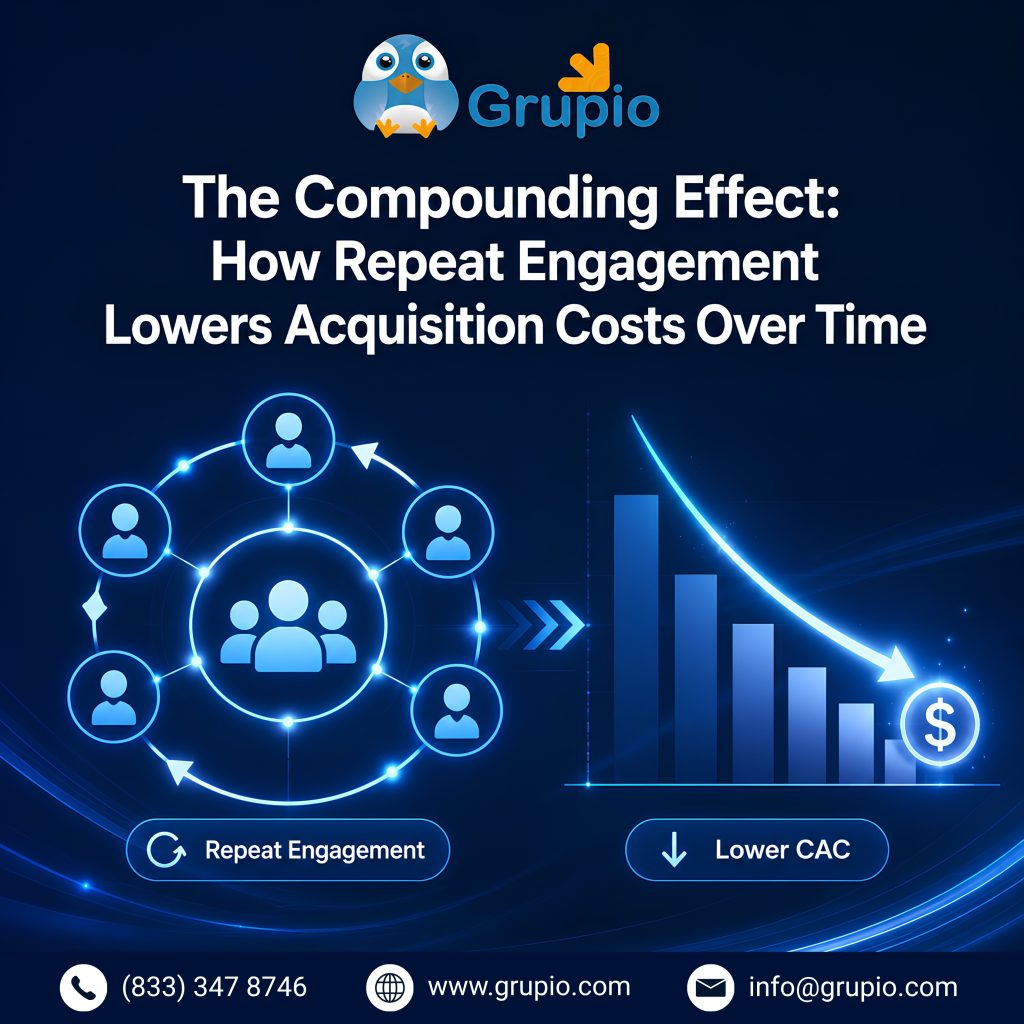
Every event I’ve run has taught me the same math lesson: acquiring a brand-new attendee almost
always costs more than re-engaging someone who already knows and trusts you. When I compare my
early events — where I spent heavily on ads for every single session — to my later ones, where
a returning community carried a good chunk of registrations, the acquisition cost dropped each
cycle noticeably.
This is the compounding effect of community building. The first event costs the most, because
you’re building trust from scratch. But if you nurture that first group well, the second event
partly promotes itself through their networks. By the third or fourth event, referrals and repeat
sign-ups start doing more of the heavy lifting than your ad budget.
I track this in a simple way: I look at what percentage of ticket sales come from returning
attendees or their direct referrals versus paid channels. Over a year of consistent
community-building activities — recap emails, small check-ins, member shoutouts — that referral
percentage climbs steadily. It’s not overnight magic; it’s the slow result of showing up reliably.
This is why I treat community health as part of my core event marketing strategy, not a side
project. A loyal base doesn’t just fill seats — it lowers your blended cost per attendee with
every event you host, freeing up budget for better speakers, venues, or experiences instead of
chasing cold traffic.
Building Trust Before the Event: Consistent Communication and Value-First Content
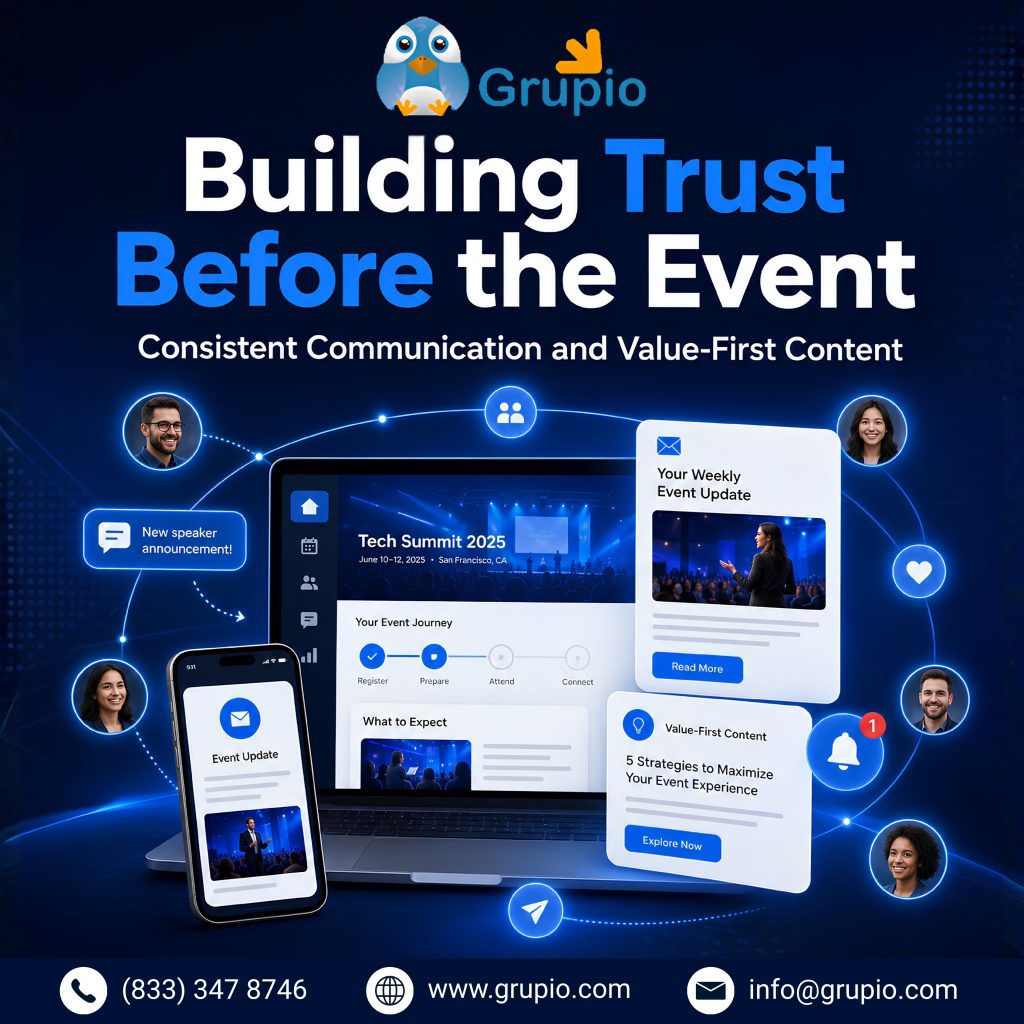
Trust isn’t built on event day — it’s built in the weeks and months before anyone buys a ticket.
I learned this the hard way after running an event where communication was inconsistent. Attendees
felt like they only heard from us when we wanted money for tickets. Refunds went up, and repeat
attendance dropped.
Since then, value-first content has been part of every event marketing plan I put together. That
means sharing something useful — a tip, an early insight, a behind-the-scenes look — even when
I’m not actively selling. I send short updates between events, not just promotional blasts, and
I answer questions publicly so the whole community benefits.
A few habits I now rely on:
- Sending a monthly update, even a short one, so the community never forgets us.
- Sharing speaker previews or session sneak peeks weeks in advance.
- Asking for feedback after each event and actually acting on it publicly.
This kind of steady, low-pressure communication is one of the simplest digital marketing
strategies for events, and also one of the most overlooked. People don’t trust brands that only
show up when they want something. They trust the ones that show up consistently, deliver value
between transactions, and follow through on what they promise. That consistency turns a mailing
list into a real community — and a real community is what makes event promotion strategies
actually work at scale.
Measuring What Matters: Community Health Metrics That Predict Event Success
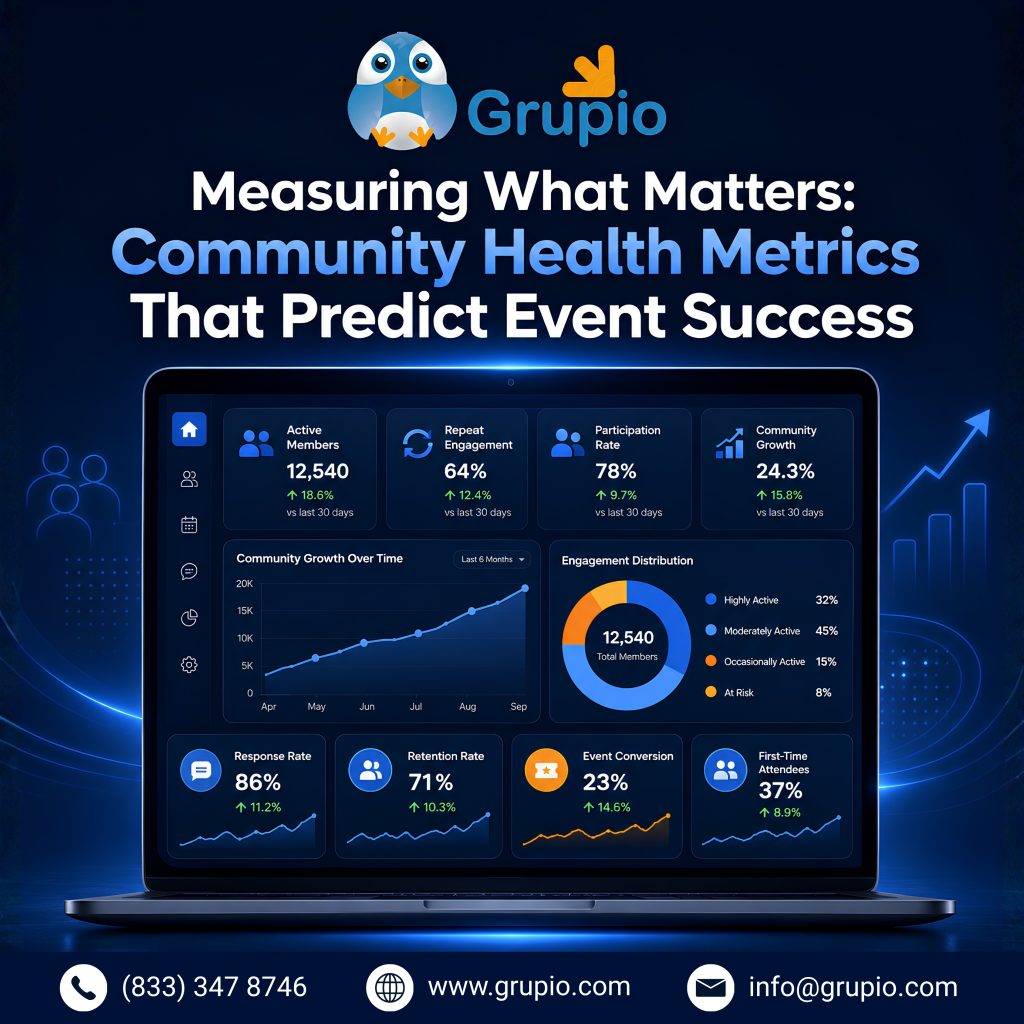
Ticket sales tell me what already happened. Community health metrics tell me what’s coming next.
I’ve learned to watch a handful of numbers that predict event success long before registration
opens.
The ones I check most often:
- Returning attendee rate — the percentage of past attendees who register again.
- Referral rate — how many new sign-ups come from existing members sharing the event.
- Engagement between events — comments, replies, and participation in community spaces when nothing is currently happening.
- Response rate on surveys or feedback requests — a sign of how invested people actually are.
When these numbers are healthy, I can usually predict a strong turnout before the marketing push
even begins. When they’re weak, I know to slow down and rebuild trust before spending on wider
event promotion strategies.
I’d also caution against tracking only vanity numbers like follower counts or email list size.
A list of 10,000 disengaged contacts is worth less than 500 people who open every update and
show up when invited. Community building is measured in participation, not headcount.
Reviewing these metrics monthly keeps my event marketing strategy grounded in reality instead of
guesswork. It also acts as an early warning system: if the returning attendee rate dips, I know
it’s time to reconnect before the next event, not after registrations disappoint me.
Bringing It All Together
Looking back, every event that felt effortless to fill was one where I’d invested in the
community long before promotion even started. Trust doesn’t show up in a single campaign — it’s
built through repeated, honest, value-first interactions that add up over time. If you’re planning
your next event, spend less energy chasing new traffic and more energy nurturing the people who
already know you. That’s the real, sustainable growth engine behind lasting event success. Ultimately, Community Building for Events is not just a marketing tactic, it is the foundation of sustainable event growth.
Frequently Asked Questions
1. What does community building actually mean for events?
For me, it means treating attendees as ongoing relationships rather than one-time ticket buyers.
It’s the consistent communication, recognition, and shared experiences that make people want to
return and bring others with them.
2. How long does it take to see results from community building?
In my experience, meaningful results show up over two to three events, not one. The first event
builds the foundation; the payoff — lower acquisition costs and higher referrals — usually becomes
clear by the second or third cycle.
3. Can small or new events benefit from community building, or is it only for large brands?
Small events benefit the most, honestly. A tight-knit group of 50 engaged people can generate
more word-of-mouth per person than a large, disconnected audience. You don’t need scale to start
— you need consistency.
4. What’s the fastest way to start building trust before my next event?
Start with one honest, value-first update to your existing list or community — no sales pitch,
just something useful. Then keep that rhythm going. Consistency, even in small doses, builds
trust faster than a single big campaign ever will.