
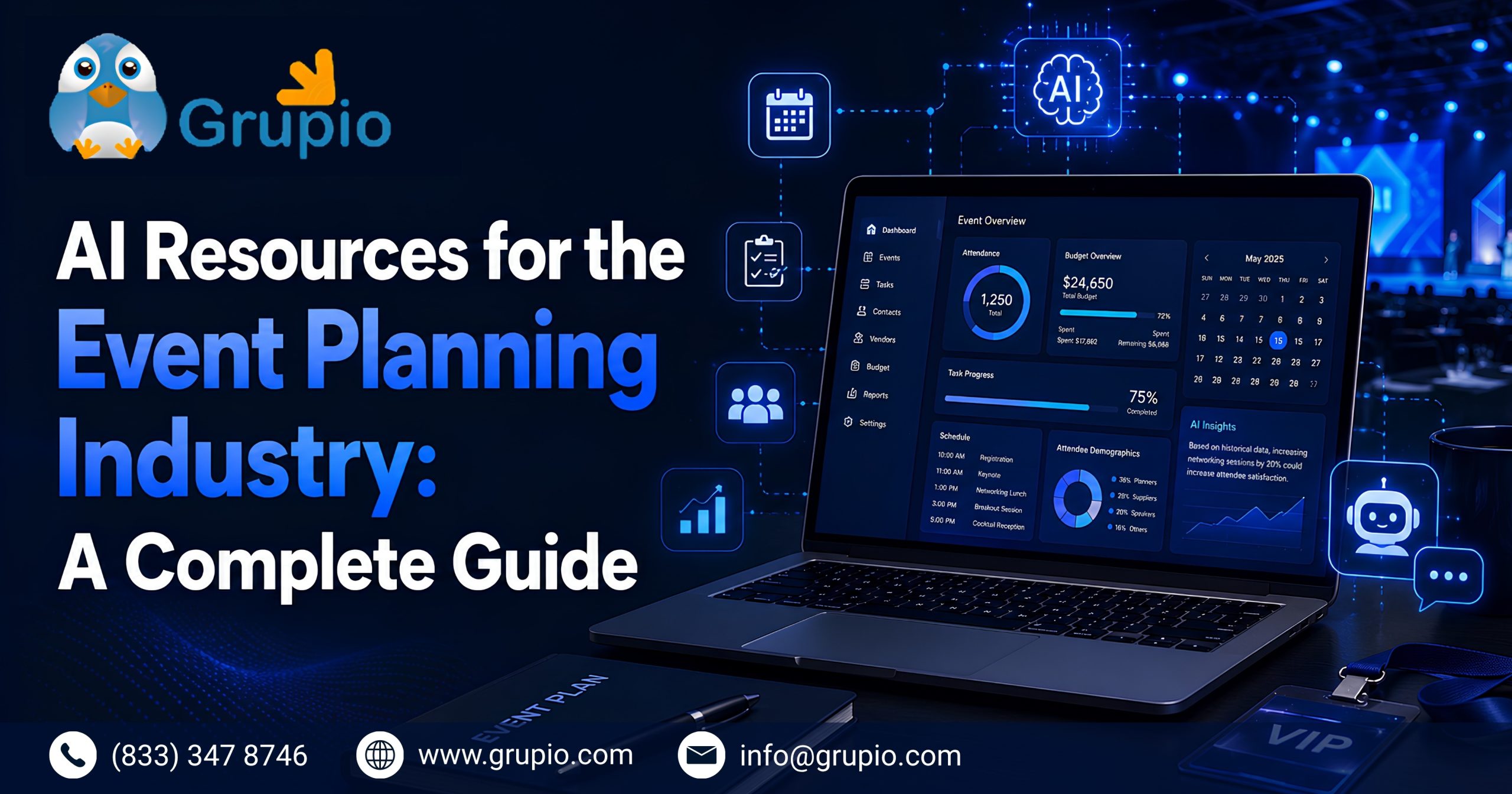
AI Resources for Event Planning are transforming how event professionals organize conferences, exhibitions, trade shows, and corporate events. From creating exhibitor prospectuses and sponsorship proposals to drafting marketing content and registration forms, AI tools help planners save time, improve accuracy, and streamline every stage of event management.
That’s no longer true, and it’s worth understanding exactly what changed, because “just use AI” isn’t a strategy
on its own. This guide walks through where AI actually fits into the event planning workflow — from your first
outline to the final registration form — so you can pick tools deliberately rather than bolting on whatever’s
trending.
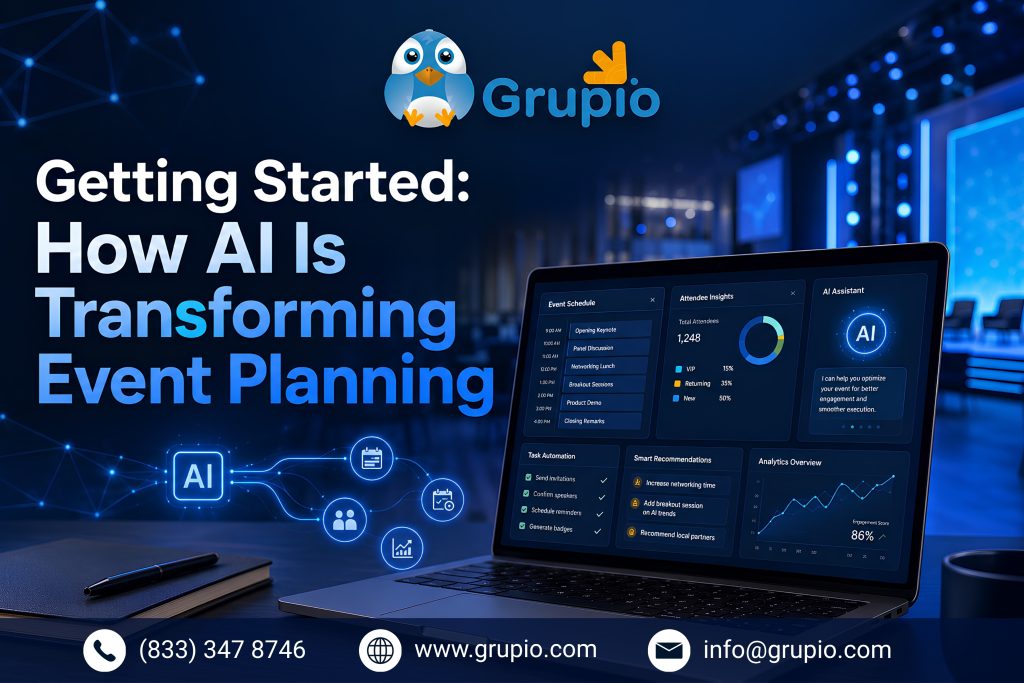
Getting Started: How AI Is Transforming Event Planning
Every event, whether it’s a 40-person workshop or a 4,000-person conference, runs on the same handful of
repetitive documents: briefs, prospectuses, proposals, marketing copy, and forms. None of that work is
creative in the way a keynote speech is — it’s structured, repeatable, and time-consuming, which is exactly
the kind of task AI handles well.
The shift happened when large language models got good enough to hold an event’s full context — audience,
budget, venue, sponsors, timeline — across a long conversation, rather than needing a fresh prompt for every
paragraph. That means a planner can now draft an exhibitor prospectus, a sponsorship pitch, and a post-event
survey in one afternoon instead of one week, and revise all three together when the budget or the venue changes.
The planners getting the most value aren’t using AI to replace judgment about vendors, venues, or guest
experience — those calls still need a human who knows the room. They’re using it to compress the paperwork
around those decisions.
Top ChatGPT Alternatives for Event Professionals
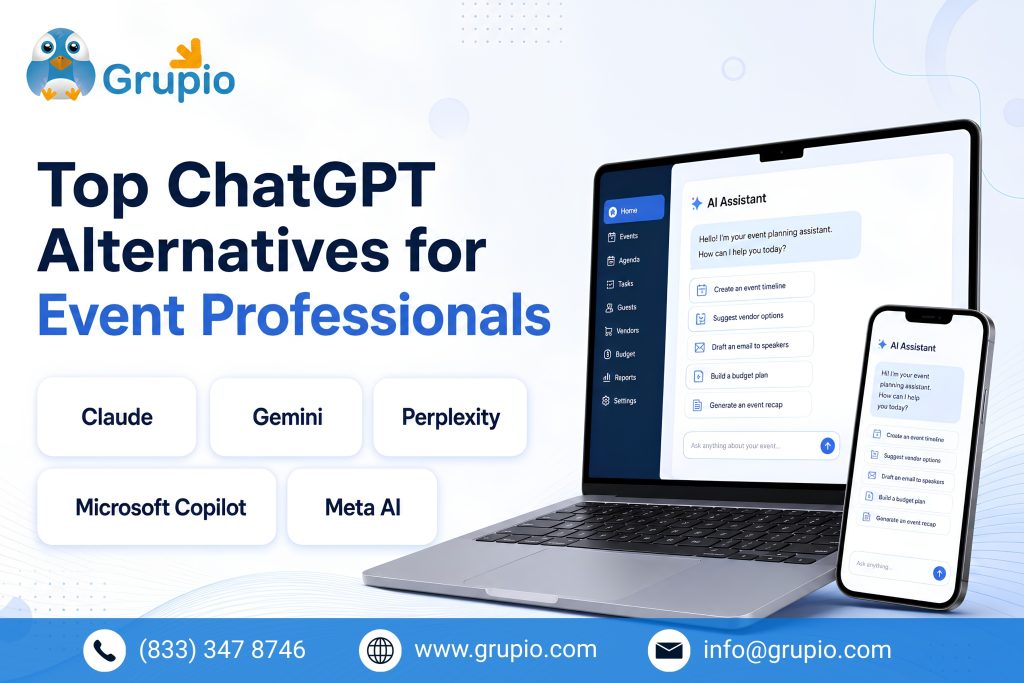
ChatGPT gets most of the attention, but several tools are built specifically around planning workflows rather
than general chat:
- Claude handles long documents well — feed it last year’s full sponsorship deck and this
year’s budget, and it can draft a revised version that keeps your voice and structure intact. - Notion AI works within the same workspace where most planners already keep their
run-of-show, guest lists, and vendor notes, so drafts stay attached to the source data rather than living
in a separate chat window. - Perplexity is worth using specifically for research — for comparing venues, catering
vendors, or past attendance data — because it cites sources rather than just asserting facts. - Canva’s AI tools turn a rough outline into a formatted sponsorship one-pager or social
graphic without a separate design pass.
None of these fully replaces the others — most planners end up using two or three for different stages of the
same event.
Using AI to Craft a Winning Exhibitor Prospectus
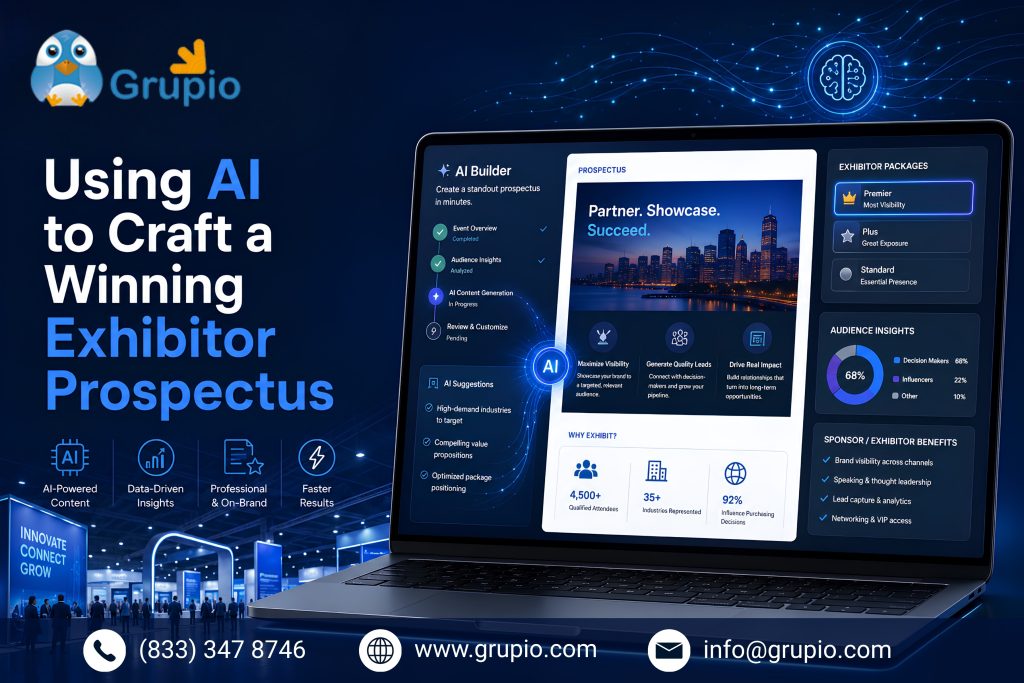
An exhibitor prospectus has to do two jobs at once: prove the event is worth an exhibitor’s booth fee, and
make the logistics (booth sizes, dates, deadlines, contact info) impossible to misread. That combination of
persuasive and precise is exactly where a lot of first drafts go wrong — either too promotional with no hard
details, or so full of specs it reads like a contract.
AI is useful here specifically because you can draft the persuasive sections and the logistics table in the
same pass, then ask the model to check that every claim in the “why exhibit” section is backed by a number in
the specs (attendance figures, past exhibitor ROI, audience demographics). If you don’t have real numbers yet,
don’t let AI invent them — a fabricated attendance figure in a prospectus is a credibility risk the first time
a prospective exhibitor asks for the source.
AI-Powered Sponsorship Proposals and Marketing Plans
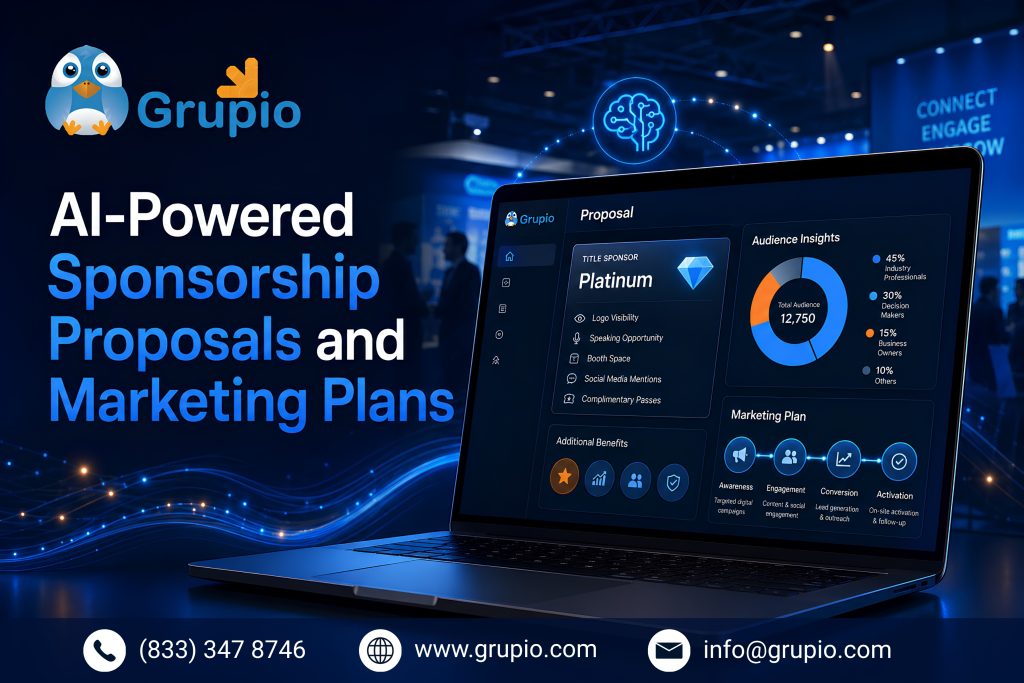
A sponsorship proposal lives or dies on tiering — vague “gold, silver, bronze” packages with no clear
differentiation are the single most common complaint sponsors raise. AI is genuinely good at generating tier
structures fast: ask for three sponsorship levels with clearly escalating benefits (logo placement, speaking
slots, booth size, email mentions), then have it draft the accompanying one-page marketing plan showing how
you’ll actually deliver visibility — social posts, email cadence, on-site signage.
The marketing plan is where AI earns its keep beyond just writing: it can turn a rough content calendar into
full drafts of the emails and social captions themselves, then adjust the tone for each sponsor tier (a title
sponsor’s mentions should read differently than a supporting sponsor’s).
The keyword data bears this out — searches for sponsorship proposal templates and sample sponsorship letters
are consistently high-volume, which suggests most planners are still building these from a blank page rather
than a system. That’s the gap AI closes.
From Registration Forms to Event Briefs: AI Tools for Every Planning Stage
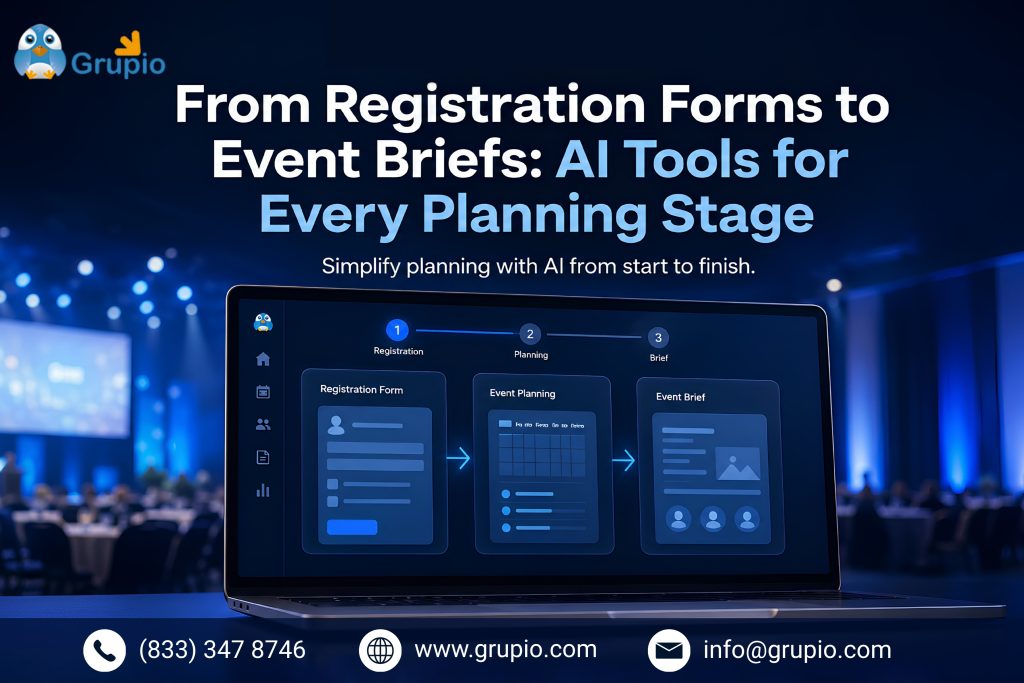
The final mile of planning is a string of smaller documents that each seem minor on their own but add up fast:
the registration form, the internal event brief, the staff briefing sheet, the post-event survey. AI shortens
each of these because they share so much source material — your event brief and your registration form both
pull from the same date, venue, and audience details, so drafting one well makes the next one faster.
A workable sequence: draft the event brief first (objective, audience, budget, key dates), then feed that
brief into the same conversation to generate the registration form fields, the exhibitor form, and a
first-draft staff briefing — each one inheriting the same facts instead of you re-typing them.
Frequently Asked Questions
What are AI resources for event planning?
AI resources for event planning include tools that help organizers create event briefs, exhibitor prospectuses, sponsorship proposals, marketing campaigns, registration forms, and post-event surveys. These tools reduce repetitive work, improve productivity, and allow planners to focus more on delivering successful events.
Which AI tool is best for event planners?
The best AI tool depends on your workflow. ChatGPT is ideal for content creation, Claude works well with long documents, Notion AI helps organize planning tasks, Perplexity is useful for research, and Canva AI makes it easy to design promotional materials and sponsorship assets.
Can AI create an exhibitor prospectus?
Yes. AI can generate a professional exhibitor prospectus by drafting event overviews, exhibitor benefits, booth packages, timelines, and frequently asked questions. However, you should always verify event dates, pricing, attendance figures, and other factual information before publishing.
Can AI help write sponsorship proposals?
Absolutely. AI can generate sponsorship packages, define tier benefits, write personalized proposal letters, and create marketing plans for sponsors. Providing your brand guidelines and previous proposals will help produce content that matches your organization’s tone and style.
How can AI improve event marketing?
AI helps event marketers create email campaigns, social media posts, blog articles, landing page copy, promotional schedules, and advertising ideas in less time. It also makes it easier to tailor content for different audiences while maintaining a consistent brand voice.
Is AI reliable for event planning documents?
AI is highly effective for drafting and organizing content, but it should not replace human review. Event planners should always fact-check budgets, schedules, venue details, sponsor information, and attendance statistics before sharing documents with clients or exhibitors.
How much time can AI save during event planning?
The time savings vary by project, but many planners find that AI reduces document creation time by 50–80%. Tasks that previously took hours—such as writing event briefs, sponsorship proposals, registration forms, and marketing content—can often be completed in minutes with proper editing.