
Securing event sponsors in 2026 is less about asking for money and more about building genuine partnerships that deliver measurable value. Whether you are planning a conference, festival, or community gathering, knowing how to get sponsors for an event can transform both your budget and your reach.
Understanding the Modern Sponsorship Landscape in 2026

The event sponsorship landscape in 2026 has shifted dramatically toward data, authenticity, and return on investment. Today’s corporate sponsors expect more than a logo on a banner; they want measurable engagement, audience alignment, and real brand exposure. Digital integration, hybrid events, and AI-driven analytics now shape how brands evaluate sponsorship opportunities. Sponsors increasingly favour experiential activations and content partnerships that connect with audiences long after the event ends.
To win event sponsors this year, you must understand what motivates them. Modern sponsorship is about shared goals, audience access, and storytelling rather than charity. Brands are tightening budgets and demanding clear sponsorship ROI, so event organisers who speak the language of metrics and marketing outcomes hold a major advantage. Recognising these trends early helps you position your event as a smart investment rather than another expense.
Define Your Event’s Value Before You Pitch

Before you approach any potential sponsors, you need to clearly define what makes your event valuable. Sponsors invest in audiences, not events, so start by understanding exactly who attends and why they matter. Gather data on your demographics, attendance numbers, engagement rates, and the buying power of your community. The more specific your audience profile, the easier it becomes to attract sponsors whose target customers match your crowd.
Next, identify your unique selling points and the marketing assets you can offer. Think about social media reach, email lists, on-site branding, speaking slots, and digital content opportunities. Quantifying this value gives you the confidence to set fair pricing and justify your sponsorship packages. When you can show a brand precisely how your event helps them reach their goals, your pitch becomes far more persuasive and your event sponsorship strategy stronger.
Build Your Sponsorship Packages
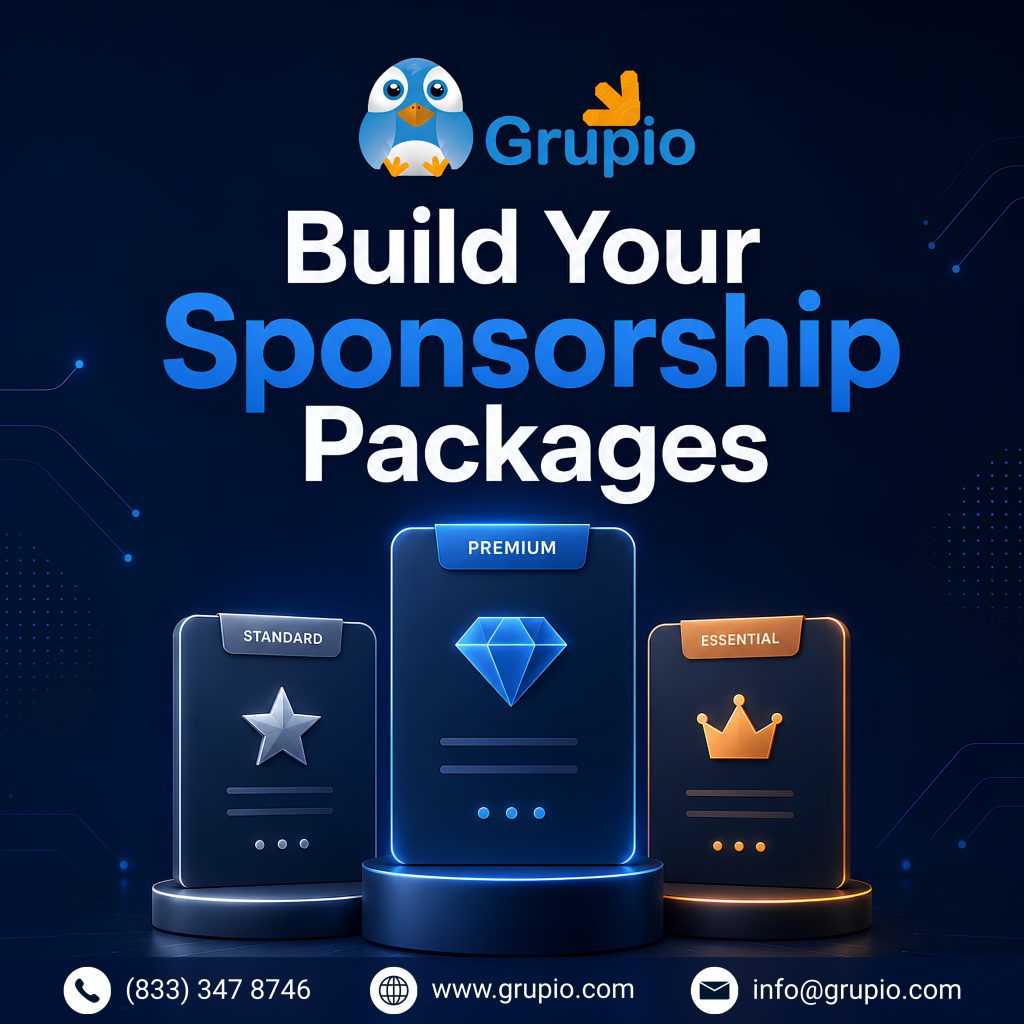
Well-structured sponsorship packages make it easy for brands to say yes. Rather than offering a single price, create tiered options such as Bronze, Silver, Gold, and Platinum that scale in benefits and cost. Each tier should clearly outline what sponsors receive, from logo placement and booth space to keynote mentions and exclusive digital exposure. Tiered packages let sponsors of all sizes participate while encouraging them to upgrade for greater visibility.
Beyond standard tiers, consider flexible and custom sponsorship opportunities that match specific brand goals. Some sponsors prefer naming rights, while others want to host a workshop, sponsor a networking lounge, or power a mobile app. Offering à la carte add-ons keeps your packages adaptable and maximizes revenue. Always frame each benefit in terms of value and audience reach, since clear, professional sponsorship packages signal that you are serious about delivering results.
Find the Right Sponsors to Target
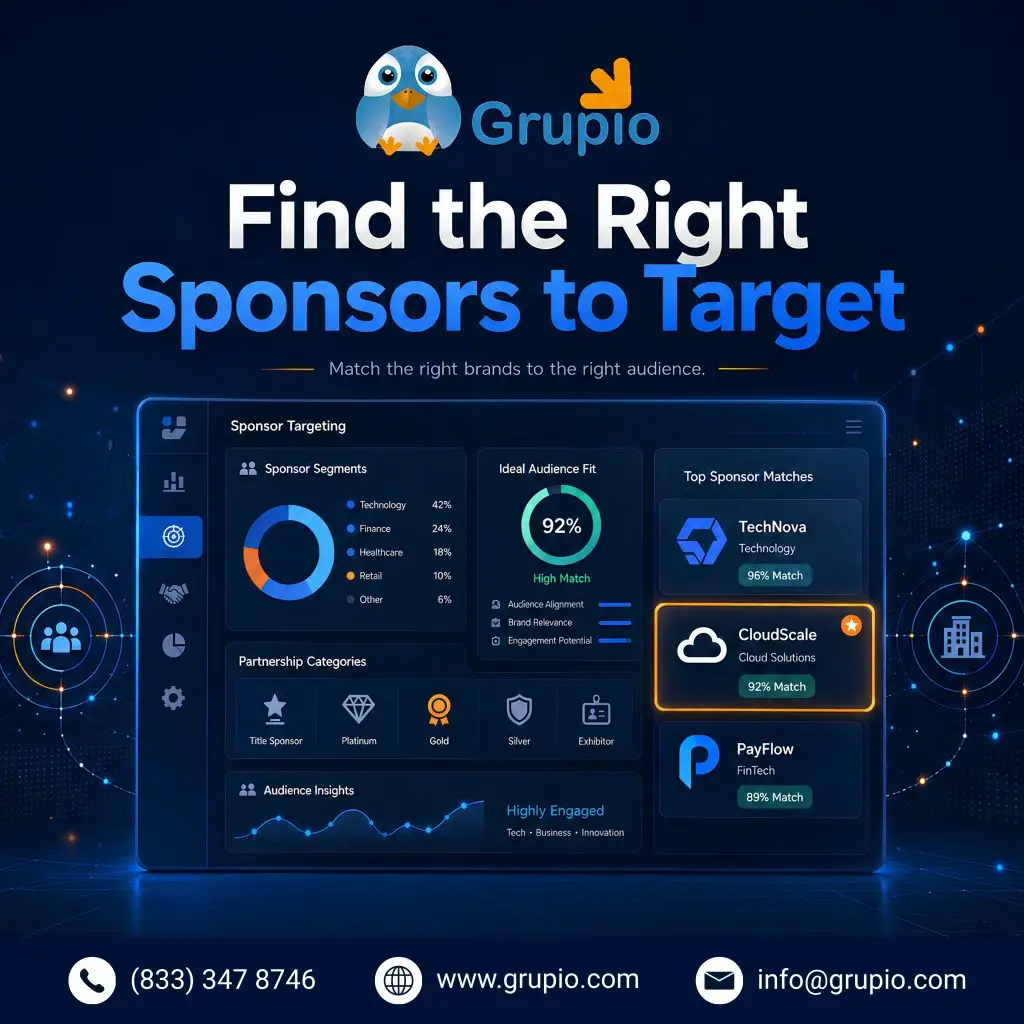
Finding the right sponsors to target is about alignment, not volume. Begin by listing brands that already serve your audience or want to reach a similar demographic. Look at companies sponsoring comparable events, scan industry publications, and study which brands invest in your niche. The best event sponsors share your values and see your attendees as ideal customers, making the partnership mutually beneficial.
Build a prospect list and research each company’s marketing priorities, recent campaigns, and sponsorship history. Local businesses, industry leaders, and emerging startups can all be excellent sponsorship targets depending on your event size. Use tools like LinkedIn, sponsorship databases, and your own network to identify decision-makers. Prioritize quality over quantity, since a handful of well-matched potential sponsors will convert far better than a mass email blast to corporate sponsors.
Craft a Winning Sponsorship Proposal
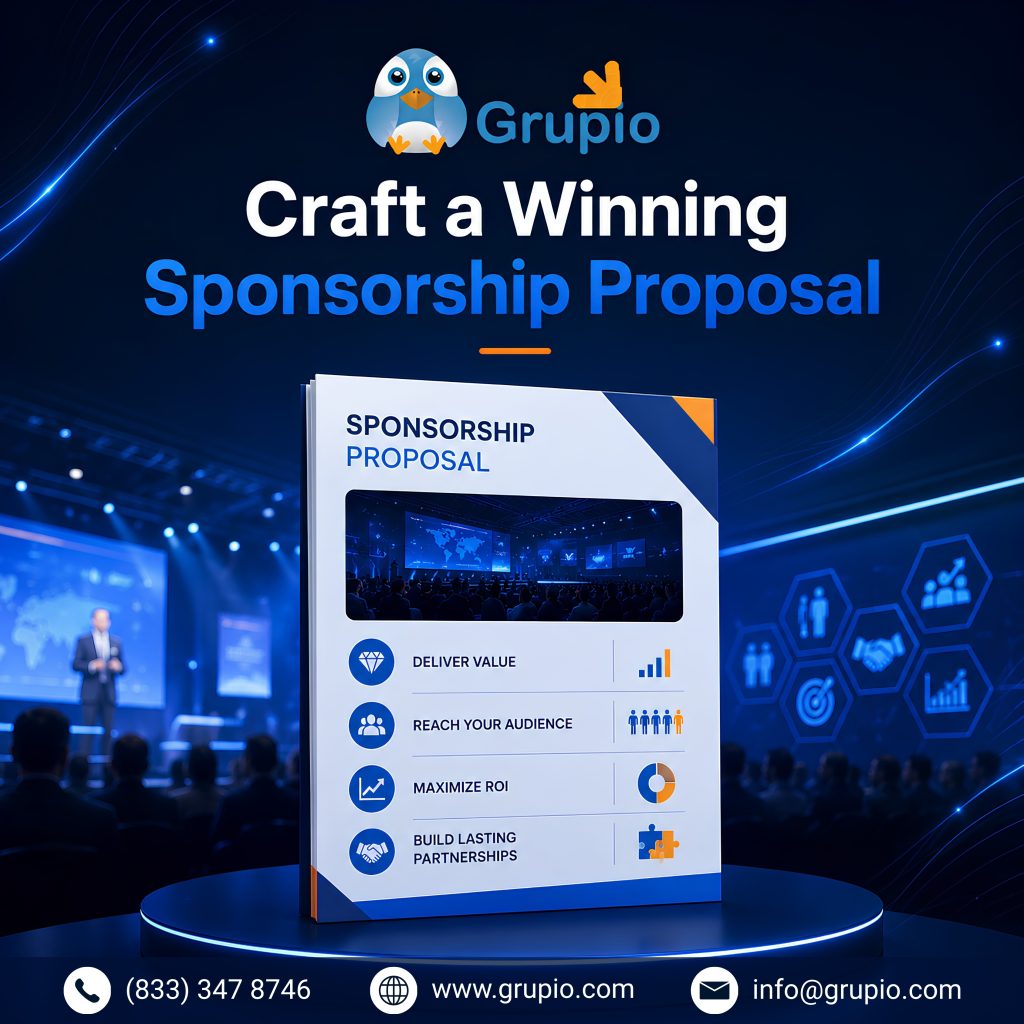
A compelling sponsorship proposal is your most important sales tool. Open with a brief story about your event, its mission, and the audience it serves. Then present clear data: attendance figures, demographics, past success, and social media reach. Decision-makers are busy, so keep your proposal visual, concise, and focused on the benefits each sponsor will gain rather than what you need.
Tailor every proposal to the specific brand you are approaching. Reference their marketing goals and explain exactly how your event sponsorship helps them achieve those objectives. Include your sponsorship packages, pricing, and a strong call to action that makes the next step obvious. Professional design, testimonials, and proof of past sponsorship ROI build instant credibility. A personalized, results-driven proposal separates organizers who win sponsorship deals from those who get ignored.
How to Reach Out and Follow Up
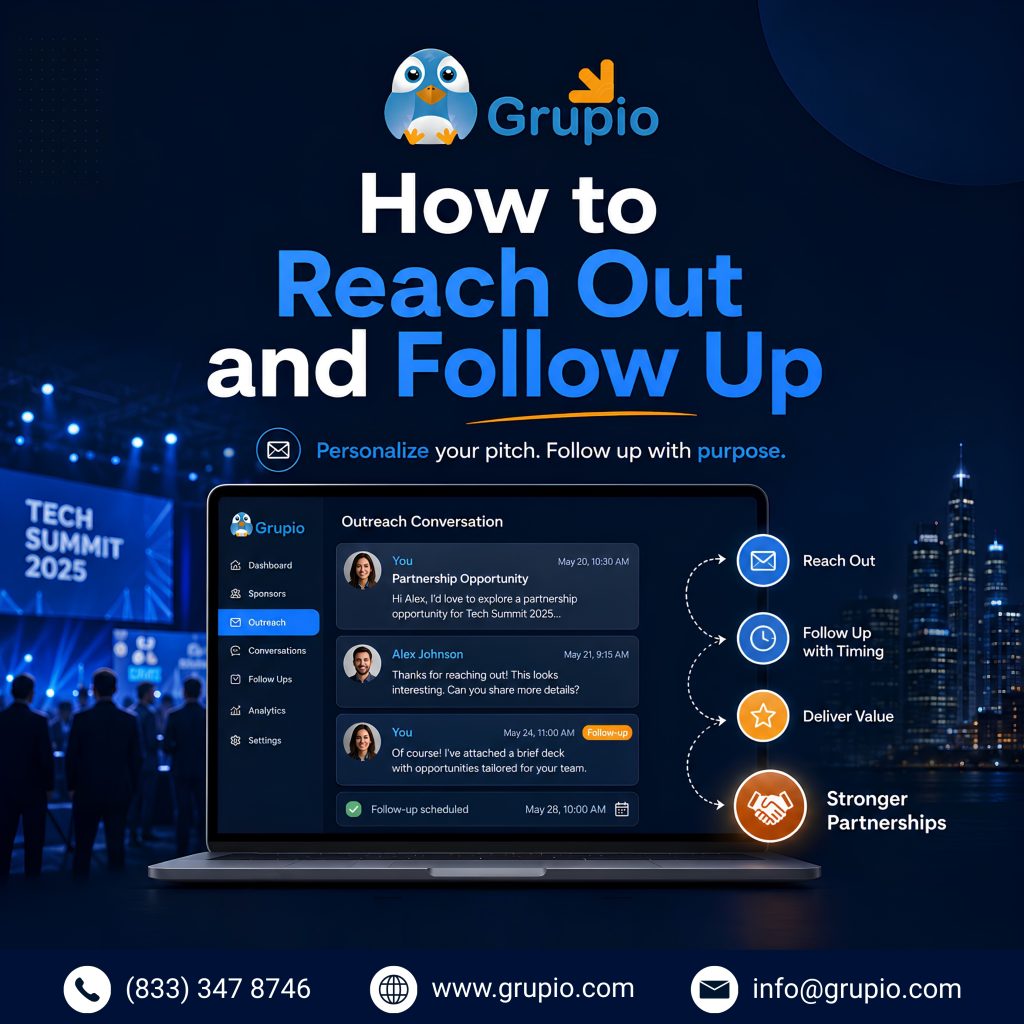
Knowing how to reach out and follow up effectively can make or break your sponsorship efforts. Start with a personalized email or message that grabs attention in the first line and clearly states the value you offer. Address the right decision-maker by name, keep your outreach short, and link your sponsorship proposal. Warm introductions through mutual contacts dramatically increase your response rates with potential sponsors.
Persistence matters because most sponsorship deals require multiple touchpoints. If you do not hear back, follow up politely after several days with new information or a fresh angle. Mix your channels by combining email, LinkedIn, and phone calls to stay on a sponsor’s radar without being pushy. Track every interaction in a simple CRM or spreadsheet so nothing slips through the cracks and your follow-up stays consistent.
Negotiate and Close the Deal
Once a sponsor shows interest, smart negotiation helps you close the deal while protecting the relationship. Enter every conversation knowing your minimum acceptable terms and the extra value you can offer instead of discounts. Listen carefully to understand the sponsor’s priorities, then tailor the agreement to meet their goals. Flexibility on benefits, rather than price, often leads to win-win sponsorship deals.
Put everything in writing with a clear sponsorship agreement that outlines deliverables, payment terms, deadlines, and expectations for both sides. A professional contract protects you and reassures the sponsor that their investment is in good hands. Avoid undervaluing your event by giving away too much, because confidence in your worth strengthens your position. Once terms are agreed, confirm promptly and set the tone for repeat sponsorship.
Deliver Value During and After the Event
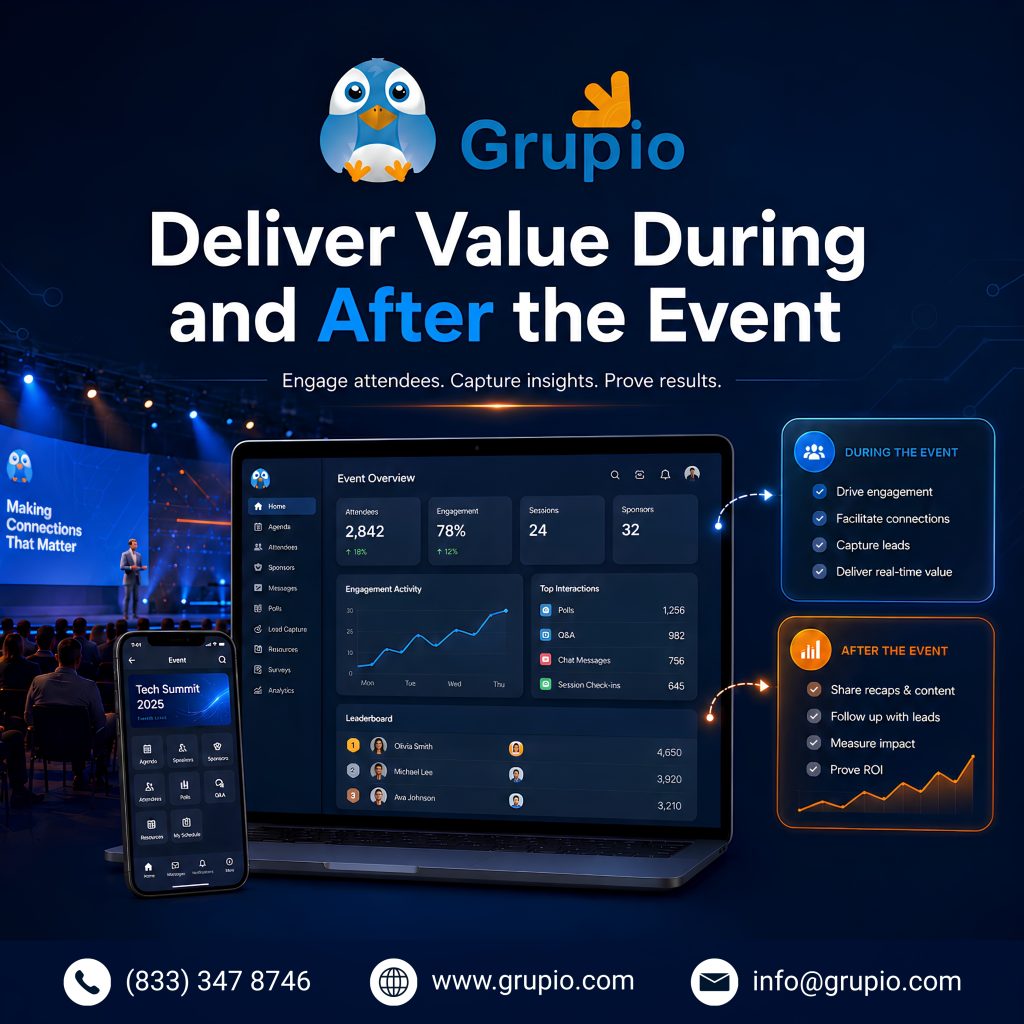
Securing sponsors is only the beginning; delivering value is what earns renewals. During the event, honor every commitment in your sponsorship agreement, from signage and announcements to digital exposure and audience engagement. Go beyond the contract whenever possible by introducing sponsors to attendees, sharing live social media coverage, and highlighting their brand authentically. These extra touches turn one-time sponsors into loyal partners.
After the event, send each sponsor a detailed report that proves the sponsorship ROI they received. Include attendance data, impressions, social media reach, leads generated, and photos of activations. A thoughtful thank-you message and a recap of results show professionalism and respect. Following up with renewal offers while the experience is fresh dramatically improves retention and helps you build a sustainable event sponsorship program year after year.
Conclusion
Learning how to get sponsors for an event in 2026 comes down to preparation, alignment, and delivering real value. When you understand the modern sponsorship landscape, define your worth, build attractive sponsorship packages, and target the right sponsors, securing funding becomes far easier. Pair a winning sponsorship proposal with persistent outreach, smart negotiation, and outstanding post-event reporting, and you will build partnerships that last. Treat every sponsor as a long-term ally rather than a quick paycheck, and your events will attract better sponsors and bigger budgets.
Frequently Asked Questions (FAQ)
1. How do I get sponsors for an event with no experience?
Start small by approaching local businesses that already serve your audience. Build a simple, professional sponsorship proposal that highlights your event’s value and reach. Clear data, enthusiasm, and a tailored pitch can help you secure your first event sponsors.
2. How much should I charge for event sponsorship?
Pricing depends on your audience size, engagement, and the benefits you offer. Research comparable events and value each asset, then build tiered sponsorship packages so brands of every budget can participate while you maximize total revenue.
3. What do sponsors want in return for sponsoring an event?
Modern sponsors want measurable ROI, brand exposure, and access to a relevant audience. They value authentic engagement and leads far more than a simple logo, so frame your offer around the marketing results each sponsor cares about.
4. How early should I start looking for event sponsors?
Begin reaching out to potential sponsors at least four to six months before your event. Larger corporate sponsors plan budgets early, so reaching out ahead of time leaves room for negotiation, follow-up, and smooth onboarding.
5. How do I keep sponsors coming back year after year? Deliver everything you promise, then exceed expectations with extra exposure and a post-event report proving sponsorship ROI. Thank sponsors personally and offer renewal incentives early. Sponsors who feel valued and see returns are far more likely to renew.